Regulatory Compliance
Beyond Compliance: How Temperature Mapping Strengthens Your CQV Strategy
Author: Gagan Kaur
Feb 19, 2026
In any qualification program, the objective is clear: demonstrate that systems perform as intended under real operating conditions. For temperature-controlled spaces, that proof requires more than a handful of monitoring points. It requires understanding how temperature behaves throughout the entire space, over time and under stress.
That insight comes from mapping.
When quality, engineering, or operations teams treat temperature mapping as just another requirement to complete, they risk overlooking its broader value. Done thoughtfully, mapping becomes a proactive tool that supports long-term stability, strengthens risk management, and builds operational confidence.
Temperature Mapping’s Role in CQV
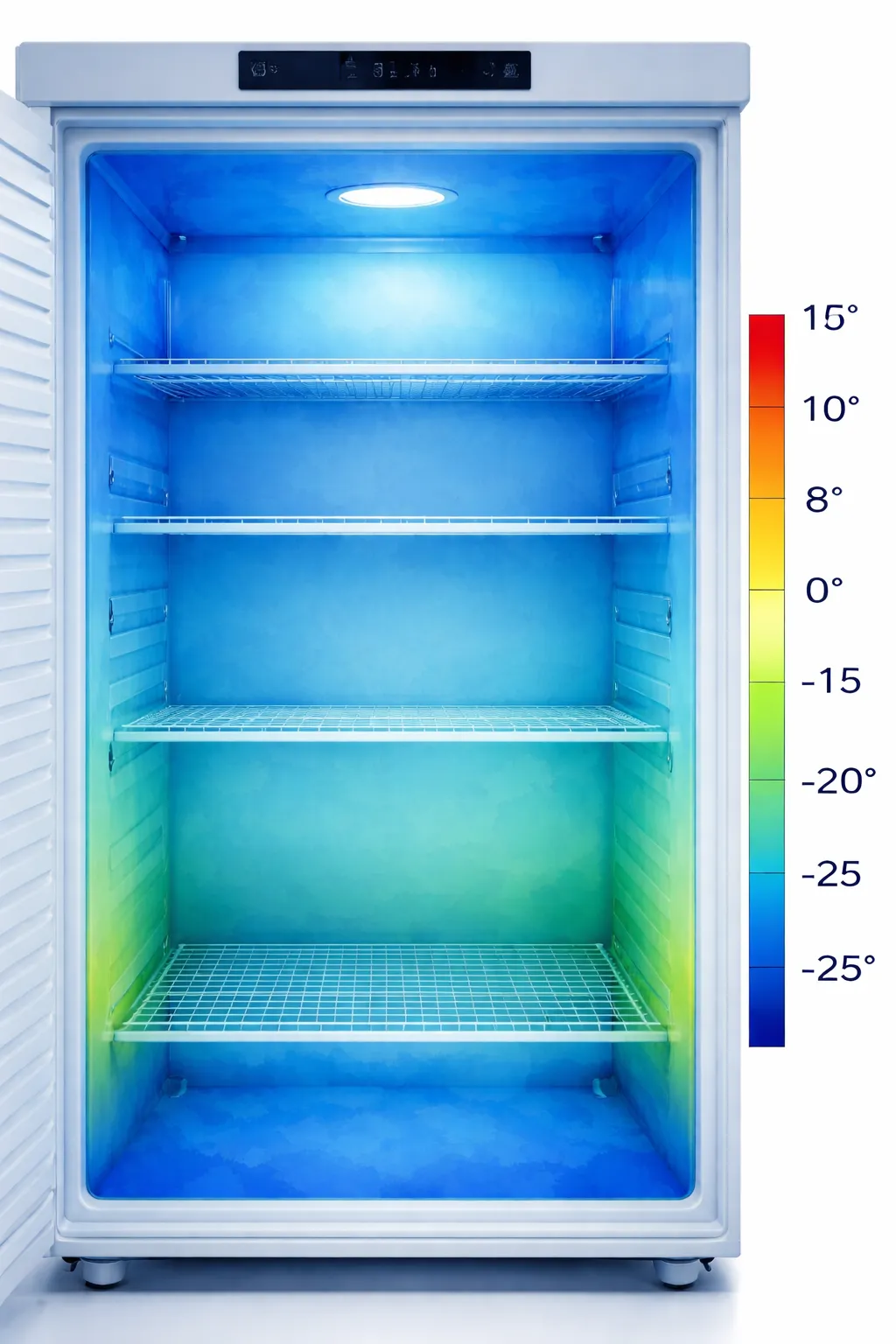
At its core, temperature mapping is a structured study that documents how environmental conditions behave across time and space within a controlled area. It goes beyond what’s in a sensor display or a spot check by collecting real data that reveals patterns, variances, and vulnerabilities in your environment.
Temperature mapping in CQV provides data-driven assurance that environmental controls meet both design intent and regulatory expectations.
For qualification teams, the value shows up in several ways:
Objective evidence of control
Mapping verifies that the environmental systems and controls you rely on during operations behave consistently across the full operational space, not just at a few points.
Risk identification
Data might reveal pockets of temperature variation that wouldn’t show up in daily monitoring alone. Those “hot spots” or “cold pockets” can be leading indicators of HVAC performance issues, placement challenges, or airflow disruptions.
Supporting facility design decisions
Rather than waiting for a deviation after operations begin, mapping data can inform facility layout, placement of critical assets, and process flows during design or qualification stages.
Strengthening protocols and SOPs
Temperature mapping data lets quality teams build stronger, risk-based SOPs for monitoring, corrective action, and maintenance cycles.
Mapping as a Strategic Qualification Activity
Most people think of temperature mapping only in these contexts:
- Pre-qualification validation of storage rooms or chambers
- Annual remapping to check seasonal effects
- Re-mapping after equipment changes or system upgrades
But mapping should also be a strategic part of your design and qualification lifecycle:
1. Principle-driven planning
Define mapping objectives with quality and risk in mind, not just compliance boxes. What are your worst-case conditions? Where are your most vulnerable products stored? How might seasonal load or room traffic stress your control systems?
2. Contextual sensor placement
Good mapping isn’t just about numbers. Sensor placement should reflect real use cases: near doors, racks, process flows, and critical product locations. This creates a more accurate picture of environmental stressors than random or generic placements.
3. Data-driven corrective actions
Mapping results are only as valuable as the actions they inspire. If data reveals variances, use it to improve HVAC settings, redistribute load, or refine your qualification strategy.
4. Audit preparedness and documentation
When temperature mapping results are incorporated into your CQV documentation with clear protocols, rationale, and action plans, they create a stronger and more defensible demonstration of control. That’s meaningful in an inspection or audit context.
Temperature Mapping Goes Beyond the Obvious
Here are a few strategic questions your team should be asking when you plan a mapping study:
Have we accounted for dynamic conditions?
Things like door openings, loading/unloading cycles, maintenance activities, or HVAC system cycling can introduce variances that wouldn’t show up during a static test.
Are we testing the right durations?
Short mapping windows capture snapshot performance. Longer durations for 72 hours or more, help identify recurring patterns tied to system cycles or operational routines.
Is the temperature mapping study designed with risk in mind?
Mapping should answer not just “does this meet spec?” but “what happens under stress conditions, worst-case scenarios, or system load changes?” That’s where CQV teams get real value.
Are the CQV results driving action?
Collecting data isn’t enough. The best mapping programs use results to inform corrective plans, SOP updates, ongoing monitoring strategies, and qualification artifacts.
Why Partner With a CQV Expert
Temperature mapping is essential, but it’s also complex. Protocol development, sensor calibration, data analysis, and final reporting require focused expertise. That’s where a dedicated CQV partner adds measurable value.
At Rees Scientific, we help organizations integrate temperature mapping into broader qualification and validation strategies. Our team provides:
- Customized mapping protocols aligned with your risk profile
- Calibrated sensor deployment and data capture
- Detailed analysis and variance reporting
- Actionable recommendations tied to qualification deliverables
Rather than treating mapping as a task to complete, we position it as evidence that your controlled environments perform as intended and remain suitable for operations.
Frequently Asked Questions
1. How long should a temperature mapping study run?
Mapping typically runs long enough to capture cyclical environmental changes. While 24-hour studies can be useful, many facilities choose 72 hours or more to observe system performance under varied conditions.
2. Does mapping overlap with continuous monitoring?
Yes. Mapping provides a baseline performance profile, while continuous monitoring tracks ongoing performance. Mapping informs monitoring locations and thresholds.
3. When should we re-map after changes?
Any time you change HVAC systems, room layout, door configurations, or introduce significant new equipment, a remapping study helps verify that conditions remain controlled.
4. How does mapping support audits?
Regulatory agencies expect documented evidence of environmental control. Mapping reports show compliance and demonstrate that you understand your system’s performance, not just that it “meets specs.”
5. Can mapping results influence SOPs?
Absolutely. Mapping identifies real environmental behavior, which can shape SOPs for monitoring, corrective action, and maintenance to make them more risk-based and defensible.
Elevating Your Temperature Mapping Program
Temperature mapping doesn’t have to be a static, isolated task. When incorporated into a risk-based qualification strategy, it becomes a powerful tool that informs process decisions, improves environmental confidence, and strengthens compliance documentation.
At Rees Scientific, we specialize in helping teams bring temperature mapping into the heart of their CQV programs with tailored services that match your regulatory, quality, and operational goals.
If you’re ready to elevate your temperature mapping approach and build a stronger CQV foundation, contact Rees Scientific to start the conversation.