EMS
FACT Accreditation and Environmental Monitoring in Cell and Gene Therapy
Author: Gagan Kaur
Mar 18, 2026

Cell and gene therapies are changing how diseases are treated. From CAR-T therapies to stem cell transplants, these treatments rely on living cells that must be collected, processed, stored, and delivered under tightly controlled conditions. Because of this complexity, the industry depends on strong quality frameworks to ensure patient safety and product integrity.
One of the most important frameworks guiding these programs is FACT accreditation.
For organizations working in cell and gene therapy, understanding how FACT standards apply to facility operations, equipment monitoring, and quality systems is essential. Environmental control is not just a technical requirement. It is a foundational part of maintaining the safety, potency, and traceability of cellular therapy products.
What is FACT in cell and gene therapy?
FACT, the Foundation for the Accreditation of Cellular Therapy, establishes internationally recognized standards for programs involved in cellular therapy. These environmental standards support the safety, potency, and traceability of cellular therapies.
FACT accreditation evaluates the entire lifecycle of cellular therapies, including:
- Cell collection
- Processing and manufacturing
- Cryopreservation and storage
- Clinical administration
- Quality management systems
The standards are widely applied across programs performing:
- Hematopoietic stem cell transplantation (HSCT)
- CAR-T and immune effector cell (IEC) therapies
- Cord blood banking
- Cell processing laboratory operations
Many hospitals, academic medical centers, and biotechnology organizations pursue FACT accreditation to demonstrate that their processes meet rigorous standards for quality and patient safety. In some cases, accreditation is required for participation in clinical trials or reimbursement programs.
Why environmental control matters in cellular therapy
Unlike traditional pharmaceuticals, cell therapies involve living biological materials. The cells used in these treatments are highly sensitive to environmental changes.
Even small deviations in environmental conditions can impact:
- Cell viability
- Potency
- Sterility
- Product stability
For this reason, FACT standards place strong emphasis on maintaining controlled environments across the facility. Environmental conditions must be monitored in any location where cellular products are:
- Stored
- Processed
- Manipulated
- Transported
This includes not only cleanrooms but also storage equipment, laboratories, and cryogenic facilities.
Key FACT standards related to environmental monitoring
FACT standards require that environmental monitoring programs be clearly defined, consistently executed, and supported by reliable data across all critical areas for cell therapy programs.
Processing facility environmental controls
Cell processing laboratories must maintain controlled environmental conditions that support safe handling of cellular products.
Facilities are expected to:
- Define acceptable environmental ranges
- Monitor conditions regularly
- Maintain records of monitoring data
- Investigate deviations when limits are exceeded
Environmental monitoring may include parameters such as:
- Room temperature
- Relative humidity
- Differential pressure between rooms
- Airflow and cleanroom classification
These controls help ensure that processing environments maintain the conditions necessary to preserve cell integrity and reduce contamination risk.
Monitoring storage equipment
Cell therapy products are frequently stored under highly controlled temperature conditions, particularly during cryopreservation.
FACT standards require continuous monitoring of equipment used to store cellular therapy products, including:
- Ultra-low temperature freezers
- Cryogenic liquid nitrogen tanks
- Laboratory refrigerators
- Controlled-temperature incubators
Programs must define acceptable temperature ranges and ensure that storage equipment always remains within those limits.
Continuous environmental monitoring is typically required to detect excursions quickly and protect stored cell therapy products.
Alarm management and response procedures
Environmental monitoring alone is not sufficient. Programs must also demonstrate that they have procedures in place to respond when environmental conditions fall outside defined limits.
FACT accreditation inspections often review:
- Alarm notification systems
- Escalation procedures
- Documentation of alarm response
- Root cause investigations for excursions
Facilities must show that alarms are actively monitored and addressed by trained personnel. This ensures that environmental deviations are identified and resolved before they impact cellular therapy products.
Calibration and equipment qualification
Monitoring systems themselves must be maintained to ensure that measurements remain accurate over time.
FACT standards require:
- Routine calibration of monitoring sensors
- Preventive maintenance of equipment
- Documented calibration certificates
- Defined calibration intervals
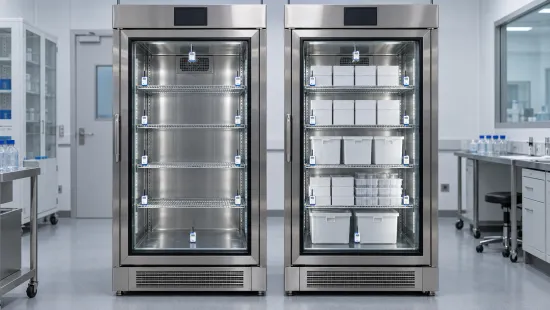
In addition, many facilities perform temperature mapping studies for storage equipment and rooms to verify that environmental conditions remain consistent across the monitored space.
These studies help confirm that monitoring systems accurately represent real environmental conditions.
Data integrity and documentation
Environmental monitoring records must also support the broader quality management system of the cell therapy program.
FACT standards require that monitoring data be:
- Accurate and reliable
- Secure and traceable
- Retained according to defined record policies
Programs must be able to provide historical monitoring records during accreditation inspections. This documentation demonstrates that environmental conditions have been maintained consistently over time.
Electronic monitoring systems can be helpful in supporting these requirements because they provide automated data collection, alarm logging, and audit trails.
Environmental monitoring across the cell therapy facility
In practice, environmental monitoring for FACT-accredited programs extends across multiple areas of the facility.
Common monitoring points include:
- Cryogenic storage rooms
- Ultra-low freezer storage
- Cell processing laboratories
- Cleanrooms and anterooms
- Controlled-temperature incubators
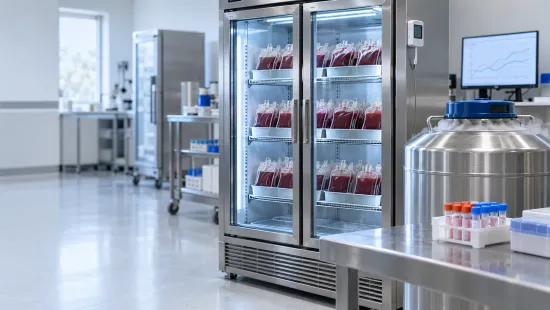
- Blood bank storage units
- Transport staging areas
Each of these environments plays a role in maintaining the stability and safety of cellular therapy products.
Because these therapies move through multiple stages of handling, maintaining consistent environmental control across the facility is critical.
Preparing for a FACT accreditation inspection
For organizations pursuing or maintaining FACT accreditation, inspectors often focus closely on environmental monitoring practices.
During an inspection, reviewers may examine:
- Environmental monitoring procedures
- Historical temperature and environmental records
- Alarm logs and response documentation
- Sensor calibration records
- Equipment qualification studies
Programs must demonstrate that monitoring systems are not only installed but also actively maintained and integrated into their quality management processes.
Strong environmental monitoring practices help support compliance while protecting the integrity of sensitive cellular products.
Supporting environmental monitoring for FACT-accredited programs
As the cell and gene therapy field continues to grow, facilities are handling increasingly complex therapies that require reliable environmental control.
Centralized environmental monitoring systems can help programs:
- Continuously monitor critical storage and laboratory environments
- Maintain detailed environmental records
- Manage alarm notifications and escalation procedures
- Support calibration and documentation requirements
- Provide traceable monitoring data during inspections
For organizations working toward or maintaining FACT accreditation, having a robust monitoring infrastructure can simplify environmental oversight and support quality management efforts.
Frequently Asked Questions About FACT in Cell and Gene Therapy
What does FACT stand for in cell therapy?
FACT stands for the Foundation for the Accreditation of Cellular Therapy. It is an international organization that establishes standards and accreditation programs for facilities involved in cellular therapy, including stem cell transplantation, CAR-T therapy, and cell processing laboratories.
Is FACT accreditation required for cell therapy programs?
FACT accreditation is not always legally required, but it is widely considered the gold standard for quality in cellular therapy programs. Many hospitals, research centers, and clinical trial sponsors require FACT accreditation to demonstrate that programs meet internationally recognized standards for safety and quality.
What environmental conditions must be monitored for FACT compliance?
FACT standards require monitoring of environmental conditions that may affect the safety and integrity of cellular therapy products. These may include:
- Temperature monitoring for freezers, refrigerators, and incubators
- Cryogenic storage monitoring for liquid nitrogen tanks
- Cleanroom environmental monitoring
- Room temperature and humidity
- Differential pressure between controlled areas
Continuous monitoring and alarm systems are typically required to detect environmental excursions.
Why is temperature monitoring important in cell and gene therapy?
Cell therapies contain living cells that can quickly lose viability if exposed to improper storage conditions. Continuous temperature monitoring of cryogenic storage, ultra-low freezers, and laboratory refrigerators helps ensure that cellular therapy products remain stable and safe for patient use.
How do facilities prepare for a FACT accreditation inspection?
To prepare for a FACT inspection, facilities must demonstrate that their processes meet the required standards. This typically includes maintaining documentation for:
- Environmental monitoring records
- Alarm response procedures
- Equipment calibration certificates
- Temperature mapping studies
- Quality management policies
Inspectors review these records to verify that the facility consistently maintains controlled conditions for cellular therapy products.
Rees Scientific Supports FACT Accreditation
Rees Scientific provides environmental monitoring solutions designed for regulated environments, including cell therapy laboratories, cryogenic storage facilities, and research institutions. These systems support continuous monitoring of temperature, humidity, differential pressure, and other critical parameters, helping facilities maintain the controlled environments required for sensitive cellular therapies.
If you’re a facility looking for an environmental monitoring system to support your FACT compliance, please contact our team for a consultation.