
Wired Environmental Monitoring for Regulated Environments

About
Rees Scientific delivers a reliable platform backed by installation, validation, calibration, and regional service support. Our wired solutions integrate with your existing network infrastructure and support centralized monitoring, local data buffering, and scalable growth.
Designed for
- Pharmaceutical manufacturing
- Biotechnology
- Cell and gene therapy
- Hospitals
- Blood and tissue organizations
- Research laboratories
- Cleanrooms
- Pharmacies
Monitors
- Refrigerators
- Freezers
- Ultra-low temperature freezers
- Incubators
- Environmental chambers
- Stability chambers
- Cold rooms
- Cleanrooms
- Blood banks
- Laboratory environments
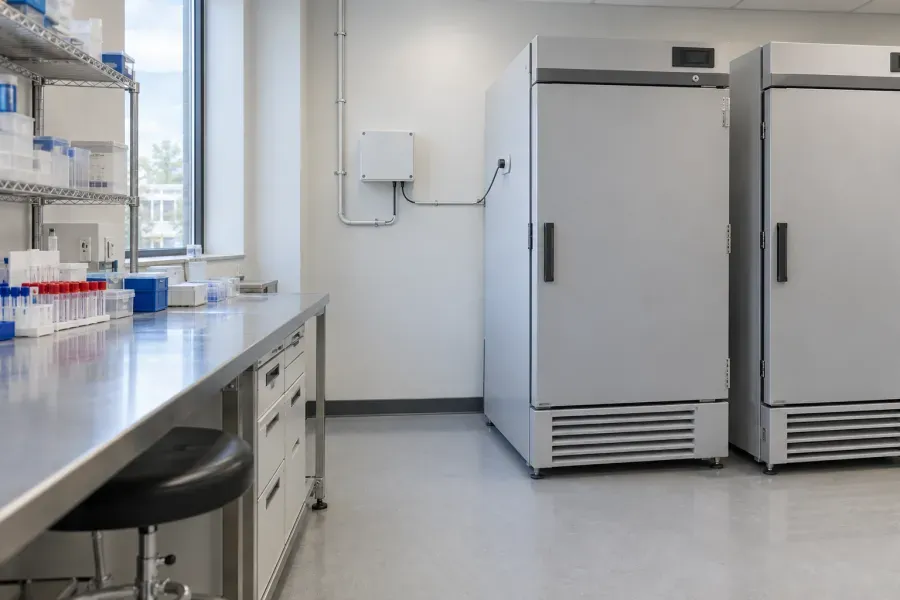
Trusted by Organizations in Regulated Environments











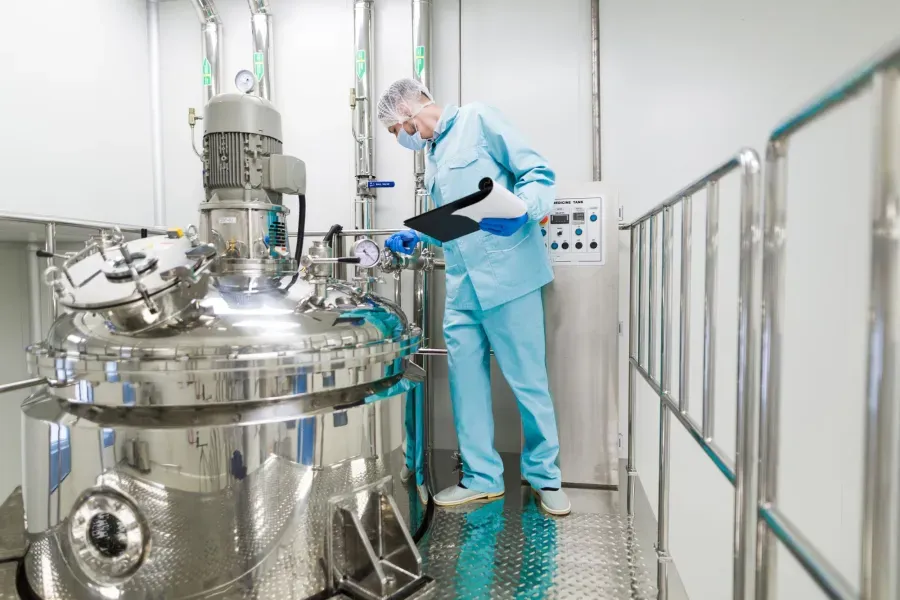
Designed for Large Facilities
As monitoring systems grow, simplicity becomes increasingly important.
Rees Scientific's MPX wired architecture allows multiple sensors to be consolidated into centralized panels, reducing long cable runs while making installation, troubleshooting, and future expansion easier.
The system also supports local alarm annunciators, programmable output relays, and interfaces for building equipment, allowing environmental monitoring to become part of a broader facility management strategy.
Ethernet Universal Transmitters
For applications requiring direct Ethernet connectivity, Rees Universal Ethernet Transmitters support one, two, or four sensor inputs and connect directly to your facility network.
These modules:
- Connect directly to your Ethernet infrastructure
- Support thousands of sensor types, including industry-standard outputs
- Buffer up to seven days of readings during communication interruptions
- Work with both cloud and on-premises systems
MPX Wired Infrastructure
For larger deployments, Rees MPX panels provide a centralized way to connect multiple hard-wired sensors.
Benefits include:
- Support for up to 16 inputs per panel
- Ethernet connectivity
- Seven-day buffered data storage
- Support for powered sensors
- Optional local alarms and programmable output relays
- Simplified expansion as monitoring needs grow
Why Customers Choose Wired
|
Customer Need
|
Why Wired Works
|
|---|---|
| Maximum reliability | Dedicated Ethernet communications |
| Permanent installations | Infrastructure designed for long-term operation |
| Large facilities | Centralized monitoring architecture |
| High sensor counts | Supports multiple panels and scalable expansion |
| Critical regulated environments | Stable communications with local data buffering |
| Existing Ethernet network | Integrates directly into LAN infrastructure |
Frequently Asked Questions
A wired environmental monitoring system is often the preferred choice when maximum reliability, permanent installation, and continuous network connectivity are priorities. Many pharmaceutical manufacturers, biotechnology facilities, hospitals, cleanrooms, and research laboratories choose wired systems for critical areas where monitoring locations remain fixed and long-term performance is essential.
Ethernet-connected monitoring provides stable, high-speed communications using your facility's existing network infrastructure. Rees Scientific's Ethernet modules support real-time monitoring, local data buffering during communication interruptions, and seamless integration with both on-premises systems and cloud deployments.
Hard-wired monitoring is commonly used in highly regulated environments, including:
- Pharmaceutical manufacturing
- Biotechnology facilities
- Cell and gene therapy labs
- Blood and tissue banks
- Hospital pharmacies
- Cleanrooms
- Research laboratories
- Central utility and mechanical rooms
These facilities often require permanent monitoring infrastructure designed for long-term operation.
Yes. Rees Scientific's MPX architecture is designed to scale with your facility. Multiple input panels can be added to accommodate additional sensors, equipment, rooms, or buildings while maintaining centralized monitoring through the platform. This makes it easy to expand without replacing your existing investment.
Absolutely. One of the biggest advantages of the Rees Scientific environmental monitoring platform is its flexibility. A single monitoring system can combine wired Ethernet devices, proprietary wireless sensors, Wi-Fi sensors, and legacy equipment into one centralized platform. This allows organizations to choose the best communication method for each application while managing monitoring, alarms, reporting, and historical data from one system.