Regulatory Compliance
When Do You Actually Need CQV Services?
Author: Gagan Kaur
Apr 15, 2026
When Do You Actually Need CQV Services?
Not every facility starts with CQV.
In the early stages, many labs and operations focus on getting up and running. Monitoring systems are installed, processes are put in place, and teams are built around immediate needs.
But as operations grow, expectations change.
Regulatory requirements evolve. Facilities expand. Systems become more complex. What worked at the beginning may not fully support where the organization is headed.
At that point, CQV becomes part of the conversation. The question isn’t whether you’ll need it. It’s when.
What Are CQV Services?
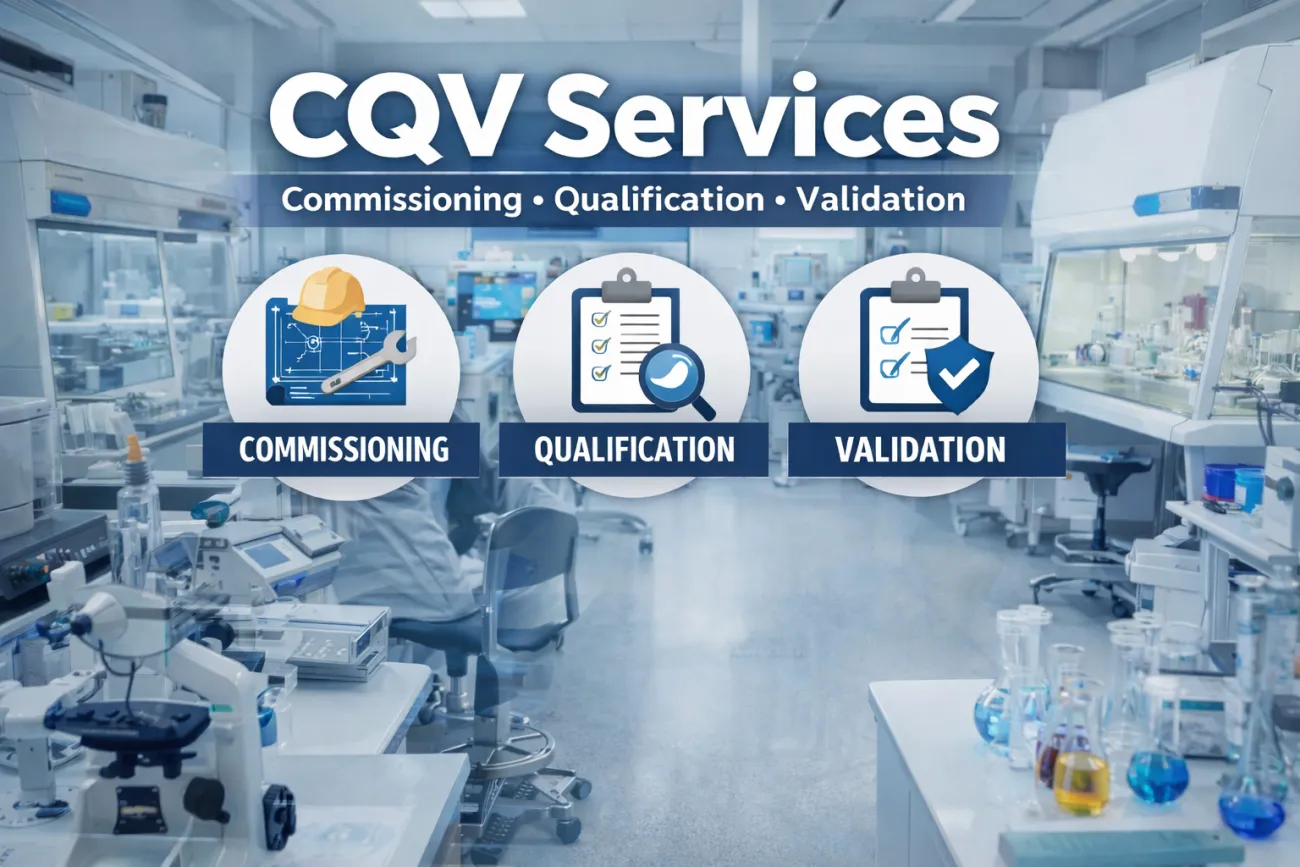
CQV stands for Commissioning, Qualification, and Validation. It provides a structured approach to ensuring facilities are designed, installed, tested, and maintained. The end goal is to keep operations performing as intended. This process creates documented evidence that critical environments and equipment consistently meet regulatory requirements.
In practice, CQV connects how a facility is built with how it operates over time. It includes activities such as system verification, environmental mapping, and ongoing validation into a single, traceable framework. As facilities grow or move into more regulated environments, CQV becomes the foundation for maintaining compliance.
CQV starts with how your facility is built
One of the clearest times CQV comes into play is during new construction or major facility projects. This is common in regulated environments such as cleanrooms and GMP facilities.
This includes:
- New lab builds
- Cleanroom environments
- CGMP suites
- Cell and gene therapy spaces
In these environments, conditions like temperature, humidity, and air quality are directly tied to product quality, patient safety, and regulatory compliance.
That’s why CQV is most effective when it’s planned from the beginning.
When built into the project early, it allows teams to:
- Define requirements before systems are installed
- Align equipment and monitoring systems with regulatory expectations
- Create structured, traceable documentation from day one
Many organizations today are designing facilities not just for current needs, but for future regulated manufacturing. Planning CQV early helps ensure those facilities are ready when that transition happens.
Growth changes the equation
Many organizations don’t start in highly regulated environments.
They begin with:
- Research labs
- Pilot programs
- Smaller-scale operations
Over time, those operations evolve.
New services are added. Production increases. Regulatory oversight becomes more involved. In some cases, facilities transition from R&D into GMP or more tightly controlled environments.
This is one of the most common points where CQV becomes necessary.
Your systems may still be functioning well. But expectations around documentation, validation, and traceability have increased. At this stage, organizations often turn to CQV services to ensure their systems align with increased regulatory and operational expectations.
More and more, organizations are planning for where they expect to be in the next 12 to 18 months, not just where they are today.
CQV helps bridge that gap by aligning systems and processes with the level of control required for that next phase.
CQV is not just for new builds
CQV is often associated with new construction, but it is just as relevant for existing facilities.
Today, many organizations are applying CQV principles to:
- System upgrades
- Re-architecture projects
- Cloud migrations
- Expanding multi-site systems
As systems grow over time, they often support more equipment, more users, and more critical processes than originally intended.
A structured CQV approach helps ensure those systems continue to meet current expectations.
It allows teams to:
- Evaluate system performance and configuration
- Identify gaps in documentation or process alignment
- Ensure systems are supporting compliance and scalability
This is especially important for legacy systems that are evolving to support more regulated work.
Mapping is often the starting point for CQV
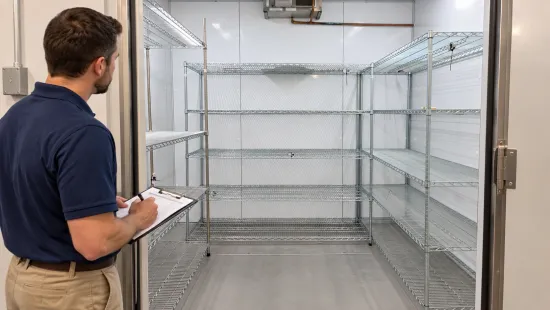
For many facilities, the path to CQV begins with mapping.
Temperature and environmental mapping projects help answer important questions:
- Are conditions consistent across equipment or spaces?
- Is performance stable under real-world conditions?
- Do we have the data needed to support validation?
From there, the conversation often expands.
Mapping establishes a baseline. Validation confirms performance. CQV brings structure and documentation to the full system lifecycle.
This progression is common in stability storage, cleanrooms, and other controlled environments where consistency and traceability matter.
Why timing matters
Timing plays a critical role in how effective CQV efforts are.
Without a structured approach, organizations may encounter:
- Gaps in documentation
- Inconsistent system configurations
- Increased audit pressure
- Reactive fixes instead of planned improvements
Taking a proactive approach allows teams to align systems before these challenges arise.
In general, the right time to consider CQV is when you are:
- Building or expanding a facility
- Preparing for more regulated work
- Expanding beyond the original scope
- Planning for audits or long-term operational growth
Where Rees fits in
At Rees Scientific, we work with organizations across all stages of this process.
Some are planning new facilities and need to incorporate CQV from the start. Others are expanding, upgrading, or preparing for more regulated operations.
Our role is to help bring clarity and structure to that transition.
We support customers by:
- Assessing current monitoring systems and infrastructure
- Identifying where mapping, validation, or CQV may be needed
- Aligning system design with regulatory expectations and internal quality processes
- Integrating upgrades and changes within existing change control frameworks
In most cases, it’s not about replacing what’s already in place. It’s about ensuring your systems continue to support your operations as requirements evolve.
The bottom line
Not every facility starts with CQV.
But as operations grow, expectations increase, and systems evolve, most organizations reach a point where it becomes essential.
Recognizing that moment early allows you to plan ahead, reduce risk, and ensure your systems are ready for what’s next.
Frequently Asked Questions
What is the difference between CQV, validation, and mapping?
Mapping focuses on understanding environmental conditions within a space or piece of equipment. Validation confirms that systems perform as intended. CQV brings these elements together into a structured process that ensures systems are properly installed, operate correctly, and remain compliant over time.
Do all facilities need CQV services?
Not at the beginning. However, as facilities grow or move into more regulated environments, CQV becomes an important part of supporting compliance, documentation, and audit readiness.
When should CQV be included in a project?
CQV is most effective when planned early, especially during new construction, cleanroom builds, or major system implementations. It can also be applied later during upgrades, expansions, or when preparing for increased regulatory oversight.
Can CQV be applied to existing systems?
Yes. Many organizations apply CQV principles to existing systems, particularly when modernizing infrastructure, expanding operations, or preparing for audits.
How does CQV support regulatory compliance?
CQV provides documented evidence that systems are designed, installed, tested, and maintained properly. This supports audit readiness, improves traceability, and helps align with regulatory expectations.
Ready to plan your next step?
Whether you’re building a new facility, expanding your operations, or preparing for more regulated work, understanding when and how to approach CQV can make a significant difference.
Rees Scientific works with organizations to evaluate their current systems, identify where mapping, validation, or CQV support may be needed, and develop a path forward that aligns with both regulatory expectations and operational goals.
If you’re planning for what’s next or want to ensure your systems reflect today’s standards, our team is here to help you move forward with confidence. Request an assessment today!